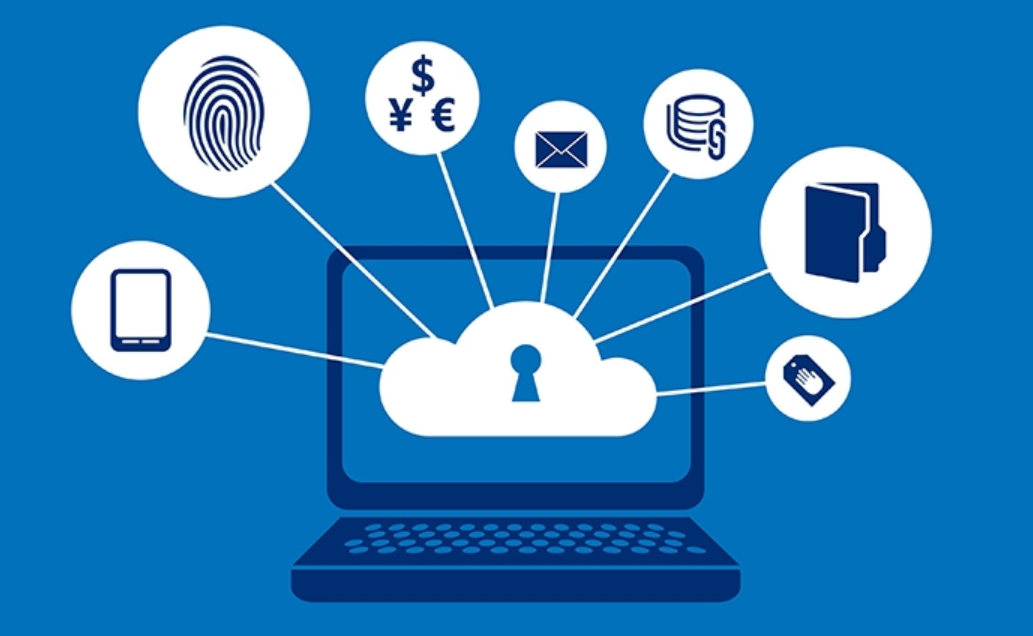
Secure browsing limits exposure to trackers and malicious actors by shaping how connections are established and data is transmitted. It reveals how encryption, privacy tools, and policy controls reduce unnecessary data sharing. Regular audits identify gaps between stated protections and actual behavior, guiding concrete fixes. The result is a clearer boundary around personal information, but questions remain about how these safeguards endure against evolving threats and sophisticated tracking techniques. The next step invites closer scrutiny of the mechanisms at work.
How Secure Browsing Shields Your Private Data
Secure browsing shields private data by limiting exposure to trackers and malicious actors. In practice, this approach analyzes how connections are established, filters suspicious content, and reduces unnecessary data transmission. Privacy audits reveal gaps in policy and implementation, guiding fixes.
Data minimization principles limit collected information, strengthening user control and accountability without compromising accessibility or performance, supporting freedom through responsible design and transparent practices.
Plain-Fun Steps to Encrypt Your Everyday Surfing
From the focus on limiting exposure in secure browsing, this section translates those principles into practical, everyday actions.
In clear terms, plain-fun steps translate privacy basics into concrete steps: verify HTTPS, minimize personal data, and use reputable extensions.
Question encryption myths, employ tracking blockers, and adhere to yet privacy protocols, while maintaining freedom to explore with informed, cautious, digital consent.
See also: How Robotics Is Revolutionising Manufacturing
Tools and Habits That Block Trackers and Leaks
Tools and habits that block trackers and leaks consolidate practical defenses into daily practice. Privacy tools and tracker blockers form a base for autonomy, while encryption habits and leak prevention routines reduce exposure across devices. Investigators note that disciplined use, minimal permissions, and regular updates create resilient boundaries. The result is clearer, more intentional browsing, preserving freedom without surrendering essential security.
Troubleshooting Common Privacy Pitfalls Online
Often overlooked, common privacy pitfalls online can quietly erode protection if left unaddressed; a methodical approach to identifying and mitigating these issues is essential for preserving digital autonomy. In this section, investigators map careless data sharing, insecure networks, and misconfigured settings.
Concrete steps emphasize privacy pitfalls and reinforce browsing encryption, ensuring disciplined scrutiny, minimal digital leakage, and resilient, freedom-respecting online behavior.
Frequently Asked Questions
Can My Boss Monitor My Private Browsing at Work?
A worker’s private browsing can be monitored by employers through network controls; protections exist but may be limited. Protective cookies and privacy leaks are concerns, prompting vigilance and independent measures to preserve personal online freedom and data integrity.
Do VPNS Hide Mobile Data Usage From Apps?
VPNs privacy impact is limited; they do not completely hide mobile data exposure from apps, though they obscure traffic patterns. They may reduce app-tracker visibility, but data usage still appears to carriers and device monitors. Investigative clarity supports freedom.
Can Antivirus Block All Online Fingerprinting?
Antivirus cannot block all online fingerprinting; limitations exist. Satirical note aside, it struggles against advanced fingerprinting techniques, which track devices beyond signatures. Investigative clarity shows antivirus limitations, urging layered privacy practices for those valuing freedom online.
Are Private Search Engines Truly Anonymous?
Private search engines offer stronger privacy, but not complete anonymity; anonymous queries depend on traffic patterns and provider policies. The investigation suggests cautious use of private search while recognizing possible data leaks and endpoint vulnerabilities.
How Do I Test My Browser’s Actual Protection Level?
Testing browser protections requires controlled experiments and careful observation; one can evaluate real world privacy protections by analyzing network leaks, fingerprinting resistance, and security settings, then comparing results across environments and configurations for a freedom-seeking, investigative assessment.
Conclusion
Secure browsing acts as a cautious gatekeeper, tracing every digital footprint like footprints in fresh snow. It hides intent behind encryption, halting prying eyes and narrowing exposure to only essential data. Investigators of privacy scrutinize policy and practice, closing gaps with methodical fixes. Through disciplined habits and robust tools, trackers crumble and leaks falter, revealing a clearer map of online risk. The result is a steadier, safer voyage—still navigated, but with fewer shadows and more control over what remains unseen.